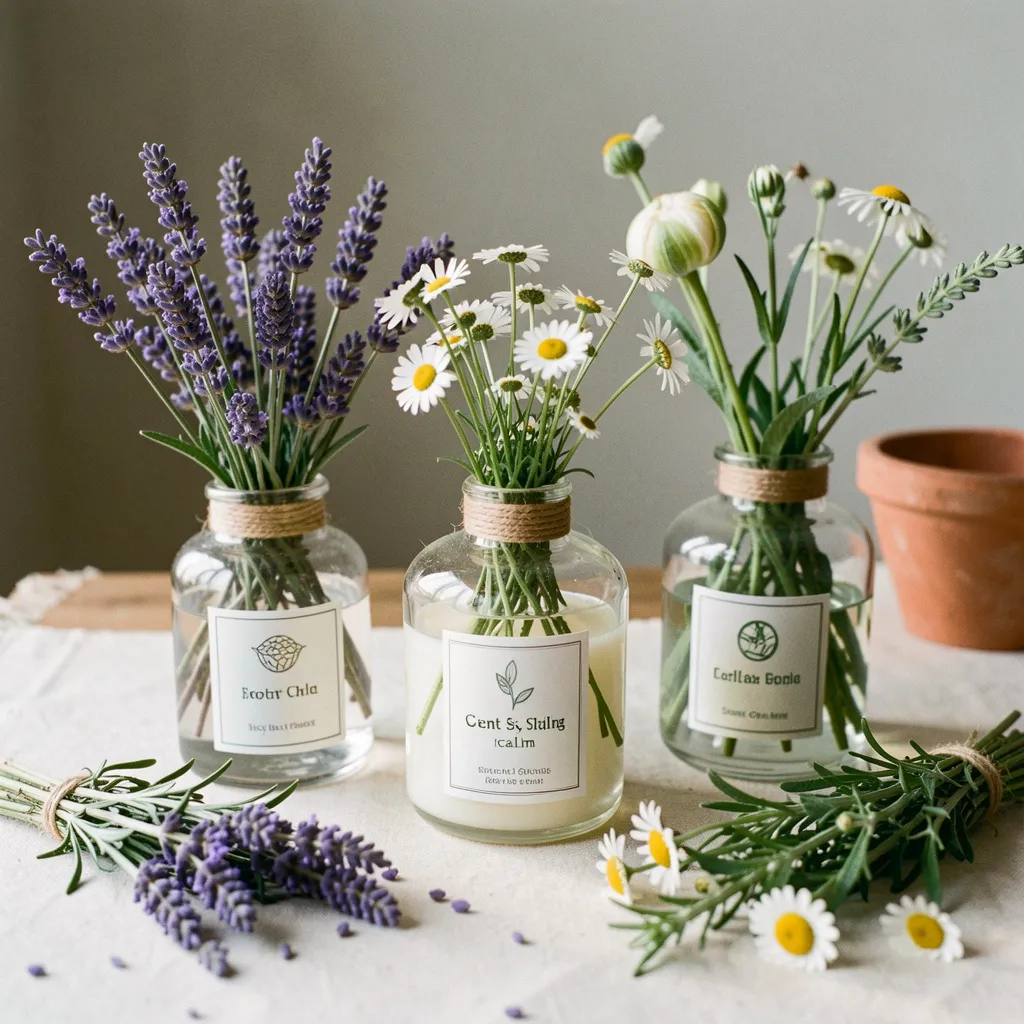
Understanding Scent Zones
Aroma mapping involves analyzing your home's layout and assigning different scent profiles to specific zones. This prevents olfactory fatigue while creating distinct atmospheric experiences in each area.
Initial Assessment
We begin by understanding your home's physical layout, including room sizes, ceiling heights, and airflow patterns. Natural ventilation, heating systems, and room functions all influence scent distribution.
During the consultation, we discuss your daily routines, preferences, and goals for each space. This information helps us create a customized map that aligns with your lifestyle.
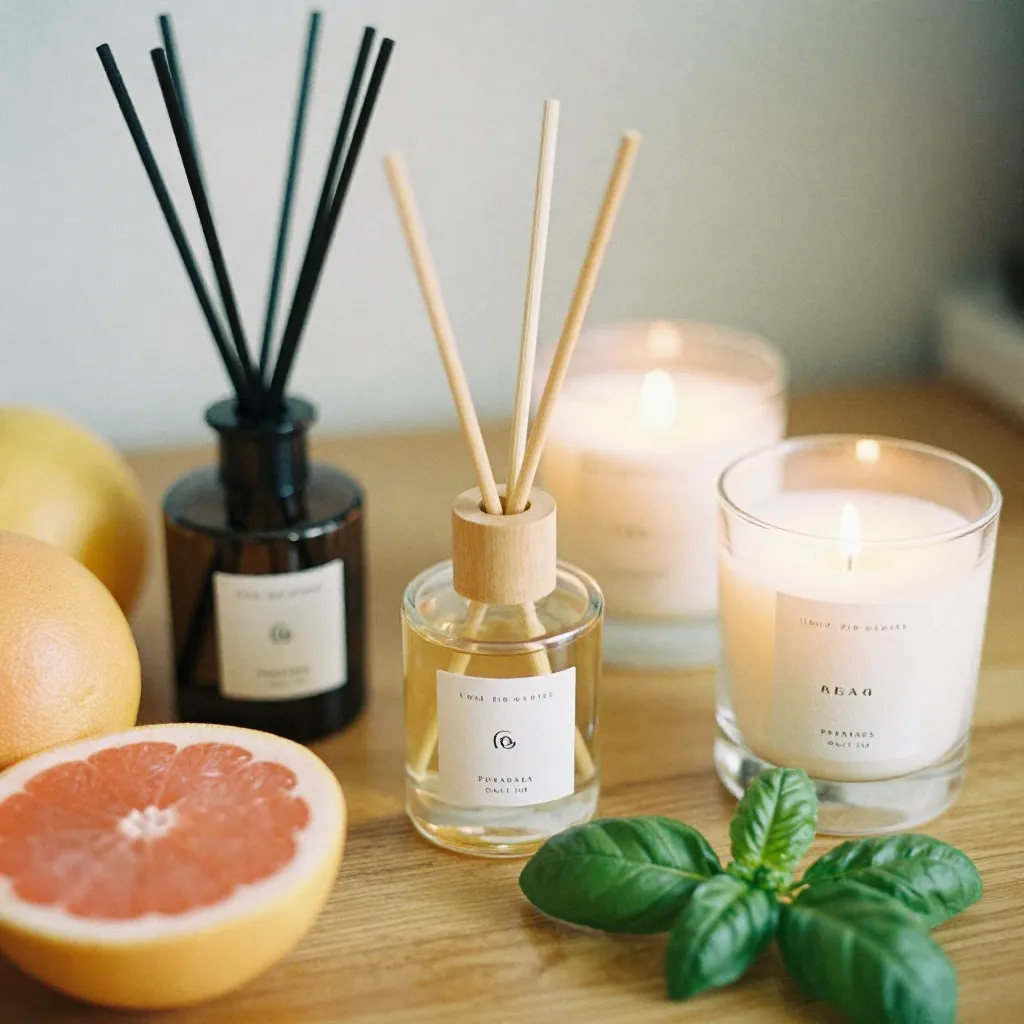
Zone Categories
Entry Zones
Welcome areas benefit from bright, fresh scents that create positive first impressions. Citrus and light floral notes work well here, providing energy without overwhelming.
Living Spaces
Main gathering areas use balanced compositions that support both activity and relaxation. Warm, woody notes with subtle floral accents create inviting atmospheres.
Rest Areas
Bedrooms and reading nooks favor calming, soft fragrances. Lavender, chamomile, and sandalwood combinations support rest and reduce sensory stimulation.
Work Zones
Home offices and study areas respond to focused, energizing blends. Herbal and citrus notes help maintain alertness without creating distraction.

Preventing Olfactory Fatigue
When the same scent is continuously present, the nose becomes desensitized. Our mapping strategy rotates scents between zones and uses complementary but distinct profiles in adjacent areas.
By creating scent boundaries, we ensure that moving between rooms provides subtle variation. This keeps the olfactory system engaged while maintaining overall harmony throughout your home.
Implementation Guide
After mapping your space, we provide detailed recommendations for each zone, including specific fragrance notes, placement suggestions, and timing considerations.
We also offer guidance on maintaining your scent map over time, including seasonal adjustments and how to refresh zones that may need variation.